

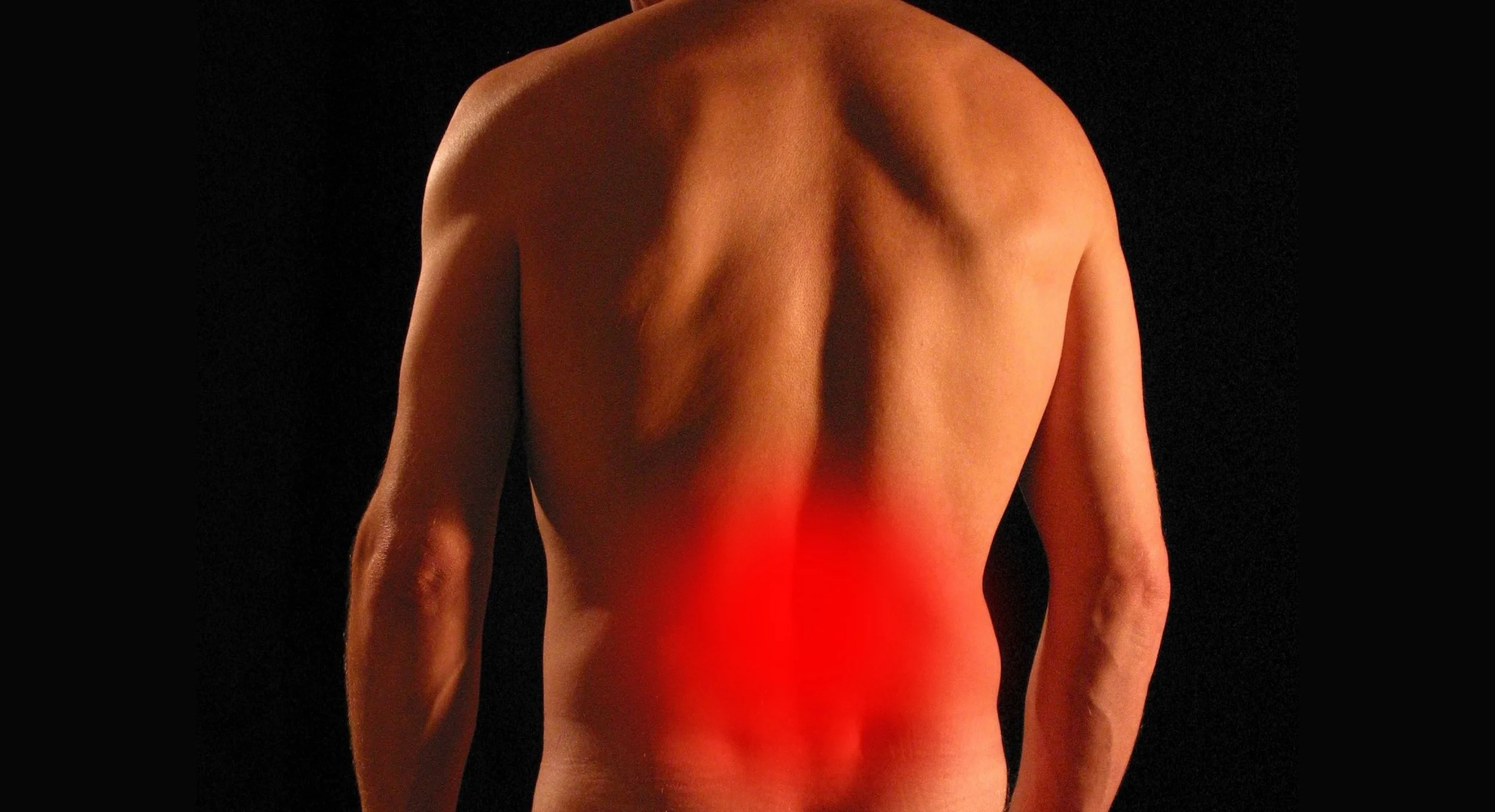
Sciatica Treatment in San Jose, CA | Sciatic Nerve Pain Relief
Looking for sciatica treatment in San Jose, CA or a trusted chiropractor in Silicon Valley? Sciatica is a common condition caused by irritation or compression of the sciatic nerve, leading to pain that travels from the lower back into the hip, glute, and down the leg.
At CoreLite Chiro, care is focused on identifying the root cause of sciatic nerve pain and restoring movement for long-term relief—not just temporary fixes.
Serving patients in San Jose, Campbell, Los Gatos, Saratoga, and the greater Silicon Valley area, we provide precise, performance-based chiropractic care.
What Is Sciatica?
Sciatica refers to irritation or compression of the sciatic nerve, often originating in the lower spine. So, what does Sciatica feel like? It can cause radiating symptoms along the nerve pathway, typically affecting one side of the body.
Common symptoms include:
Lower back and leg pain
Burning or shooting pain down the leg
Tingling or numbness in the foot or toes
Muscle weakness
Pain that worsens with sitting or prolonged activity
If you're searching for “sciatica pain relief in San Jose” or “why does my leg hurt from my back,” sciatica is a common cause.
Common Causes of Sciatica in Active Adults
Sciatica is often the result of mechanical stress on the spine and surrounding tissues. In active populations throughout San Jose and Silicon Valley, common causes include:
Herniated or bulging discs
Lumbar joint dysfunction
Spinal degeneration or stenosis
Piriformis syndrome
Repetitive strain from work, sports, or prolonged sitting
Because multiple factors are often involved, effective sciatica treatment in San Jose requires a detailed, individualized assessment.
What does sciatica feel like?
Why Sciatica Keeps Coming Back
Many patients in San Jose, Campbell, and Los Gatos experience recurring sciatica because the root cause is never fully addressed.
Without correcting:
Movement dysfunction
Core instability
Postural imbalances
…the stress on the sciatic nerve remains.
This leads to repeated flare-ups, even after temporary symptom relief.
Chiropractic Care for Sciatica in San Jose
Chiropractic care offers a non-invasive, highly effective solution for sciatic nerve pain relief in San Jose.
At CoreLite Chiro, a modern, evidence-based approach is used to restore function and optimize outcomes.
Treatment May Include:
Targeted chiropractic adjustments
Flexion-distraction therapy for disc-related sciatica
Soft tissue and myofascial release
Nerve mobility techniques
Corrective exercises for movement and stability
Using diverse techniques allows for precise care tailored to each patient—from desk workers in Silicon Valley to athletes across the South Bay.
Sciatica, Movement & Performance
Sciatica doesn’t just cause pain—it limits how you move.
For patients in San Jose and surrounding areas, unresolved sciatic nerve irritation can lead to:
Reduced mobility and flexibility
Decreased strength and coordination
Increased risk of injury
Care is designed to restore efficient movement, improve stability, and support long-term performance.
When to See a Chiropractor for Sciatica in San Jose
You should seek care if you are experiencing:
Persistent lower back and leg pain
Tingling or numbness in the leg or foot
Pain with sitting, bending, or lifting
Decreased mobility or performance
If you're searching for a “chiropractor for sciatica near San Jose”, early care can significantly improve recovery time and outcomes.
Real World Results - A Case Study
A patient, let’s call him Matt (not his real name), came in with “Sciatic pain” rated at 8/10 pain. After a thorough history and exam, it was determined that he had sacroiliac (SI) dysfunction and was treated with side posture, Leander protocol, drop technique, and Class 4 laser. When he stood up from the exam table after treatment he stated that he was about 60% better and the pain had reduced significantly. He came in 2 days later for a follow up and stated that the pain had remained reduced but in the last few hours it had popped back up and he was looking forward to care. This time he stated the treatment had reduced the pain 80% in just a few minutes and he was given some stretches and exercises to practice at home. He also booked with our medical orthopedic massage therapist and experienced a targeted, outcome-based approach to soft tissue treatment designed to reduce pain, restore movement, and support overall function. Unlike relaxation massage, our medical massages are focused on addressing specific conditions such as muscle tightness, injury, nerve irritation, and movement dysfunction. By the fourth visit he was feeling so good, he started to return to his tennis game. After 5 visits he was very close to completely pain free and by 8 visits he was on maintenance/wellness care for 1 visit a month. Another happy customer who left a 5 star review.
Sciatica Treatment Near San Jose & Silicon Valley
If you're looking for the best sciatica treatment in San Jose, CA, a precise, integrative approach can help you get out of pain and back to doing what you love.
CoreLite Chiro proudly serves:
San Jose
Campbell
Los Gatos
Saratoga
Santa Clara
Cupertino
More Sciatica FAQ’s:
Sciatica Symptoms & Patterns
Q: Why does sciatic pain go down the leg?
A: Sciatic pain follows the sciatic nerve, which runs from the lower back through the buttocks and down the leg. Pressure or irritation along this nerve causes radiating pain, tingling, or numbness in the leg.
Q: Why is sciatic pain worse at night?
A: Lying down can change spinal alignment, placing more pressure on the nerve. Reduced movement at night can also increase stiffness, making pain feel more intense.
Q: Can sciatica cause numbness or weakness?
A: Yes. Nerve compression can cause numbness, tingling, or muscle weakness in the leg or foot. Severe or sudden weakness should be evaluated immediately.
Q: Can sciatic pain come and go?
A: Absolutely. Sciatica often fluctuates with activity, posture, and stress. Episodes can last from a few days to several weeks.
Q: What is the difference between sciatica and regular back pain?
A: Regular back pain is often localized and muscular, while sciatica is nerve-related. Sciatic pain radiates down the leg and may include numbness or tingling.
Sciatica Triggers & Risk Factors
Q: Can sitting too much cause sciatica?
A: Yes. Prolonged sitting increases pressure on lumbar discs and tightens muscles like the piriformis, which can irritate the sciatic nerve.
Q: Does sciatica come from a herniated disc?
A: Often. A herniated or bulging disc pressing on a nerve root is a common cause of sciatic pain.
Q: Can sciatica be caused by posture?
A: Poor posture, especially slouching or forward head posture, can strain the lower back and compress the sciatic nerve.
Q: Does stress make sciatic pain worse?
A: Yes. Stress increases muscle tension, particularly in the lower back and hips, which can worsen nerve irritation.
Q: Is sciatica hereditary?
A: Genetics can play a role in conditions like spinal stenosis or disc degeneration, which increase the risk of sciatica. However, environmental factors like accidents, playing sports, and weight all contribute to the overall picture.
Sciatica Diagnosis & Tests
Q: How is sciatica diagnosed?
A: Diagnosis involves medical history, symptom review, and a physical exam, including reflex and strength testing.
Q: What imaging tests are used for sciatica?
A: Common tests include X-rays, MRI, and CT scans to identify nerve compression, disc issues, or spinal stenosis.
Q: Can you have sciatica with a normal MRI?
A: Yes. Sometimes nerve irritation occurs without visible structural damage, especially in early-stage or soft tissue-related sciatica.
Q: What doctor treats sciatica?
A: Chiropractors, physical therapists, neurologists, orthopedic doctors, and primary care physicians can all manage sciatica.
Q: Can chiropractors treat sciatic pain?
A: Absolutely. Chiropractors use spinal adjustments, soft tissue therapy, and exercises to relieve nerve pressure and restore function.
Sciatica Treatment & Relief
Q: What helps relieve sciatic pain fast?
A: Quick relief may include stretching, chiropractic adjustments, ice/heat therapy, and posture correction.
Q: Exercises for sciatica relief?
A: Hamstring stretches, piriformis stretches, and core strengthening are effective. Walking and gentle yoga are also beneficial.
Q: Can sciatica be cured?
A: Many cases improve with conservative care, but underlying causes like disc degeneration may require ongoing management.
Q: How long does sciatica last?
A: Acute episodes last a few days to weeks, while chronic sciatica can persist for months without treatment.
Q: Does stretching help sciatica?
A: Yes and No. Stretching reduces muscle tension around the nerve, improving mobility and decreasing pain, however if your sciatic symptoms are due to discogenic (pain from a bulging disc) causes, stretching may not be as useful.
Q: Is walking good for sciatica?
A: Yes. Low-impact movement helps circulation and prevents stiffness, reducing sciatic nerve pressure.
Q: Can sciatica be treated without surgery?
A: Yes. Most sciatica improves with chiropractic care, exercise, posture correction, and lifestyle adjustments.
Q: Does heat or cold help sciatic pain?
A: Ice can reduce inflammation, while heat relaxes muscle tension. Alternating is often effective. No more than 15 minutes of thermal therapy per hour is recommended.
Q: Will sciatica go away on its own?
A: Sometimes, but early intervention with chiropractic care or therapy accelerates recovery and prevents recurrence.
Sciatica Long‑Term & Chronic Issues
Q: Can sciatica return?
A: Yes. Recurrence is common without posture correction, exercise, and spinal care.
Q: What causes chronic sciatica?
A: Chronic cases often involve disc degeneration, spinal stenosis, or untreated nerve compression.
Q: What lifestyle changes help prevent sciatica?
A: Ergonomic work setups, regular exercise, core strengthening, stretching, and avoiding prolonged sitting.
Q: Can weight loss improve sciatica?
A: Yes. Reducing excess weight decreases pressure on the lumbar spine and sciatic nerve.
Q: Is sciatica a sign of a more serious condition?
A: Occasionally. Loss of bladder/bowel control or severe leg weakness warrants IMMEDIATE medical attention.
Sciatica Specific Scenarios
Q: Can pregnancy cause sciatica?
A: Yes. The growing uterus and hormone changes can compress the sciatic nerve.
Q: Can sciatica cause foot pain or tingling?
A: Yes. Nerve compression can create radiating pain, tingling, or numbness in the foot.
Q: Can sciatica affect bladder or bowel function?
A: Rarely, severe nerve compression can. Seek urgent care if this occurs, especially if you have numbness in the groin region, too.
Q: Can diabetes cause sciatica?
A: Diabetes can increase nerve sensitivity, making sciatic pain worse.
Q: What exercises should you avoid with sciatica?
A: Avoid heavy lifting, high-impact exercises, deep forward bends, or twisting motions that increase nerve pressure.
Back Pain in San Jose: Causes, Symptoms, and What Actually Works for Relief
Looking for back pain relief in San Jose? Look no further than CorElite Chiropractic and Wellness.
Why Back Pain Is So Common (Especially in San Jose)
Back pain is one of the most common health concerns in the world, affecting the majority of people at some point in their lives.
In a fast-paced, tech-driven city like San Jose, long hours sitting, poor posture, and high stress levels only make the problem worse. Whether it starts as a dull ache or a sharp, radiating pain, back discomfort is often your body’s way of signaling that something isn’t functioning properly.
Common Symptoms of Back Pain You Shouldn’t Ignore
Back pain doesn’t feel the same for everyone. It can present as:
A dull, constant ache
Sharp, stabbing, or burning pain
Pain that travels into the legs (sciatica-like symptoms)
Stiffness, tightness, or reduced mobility
Certain movements like bending, lifting, or even sitting can worsen symptoms.
🚨 Important: If your pain lasts more than a few weeks, radiates down your leg, or includes numbness or weakness, it’s time to seek professional evaluation.
What Actually Causes Back Pain?
One of the biggest misconceptions is that back pain always comes from a single injury. In reality, it’s often a combination of factors.
🔹 Mechanical & Lifestyle Causes
Muscle or ligament strain from lifting or repetitive movement
Poor posture (especially desk work / “tech neck”)
Weak core muscles or lack of movement
🔹 Structural Issues
Disc bulges or herniations
Arthritis or spinal degeneration
Spinal stenosis or nerve compression
🔹 Other Contributing Factors
Stress and tension (can increase muscle tightness)
Excess weight or inactivity
Underlying medical conditions (less common, but possible)
👉 The key takeaway: Back pain is often both mechanical AND neurological—not just “tight muscles.”
Why Your Pain Keeps Coming Back
Many people in San Jose try quick fixes:
Stretching
Pain medication
Rest
While these may provide temporary relief, they often don’t address the root cause.
Back pain frequently persists because:
Joint motion is restricted
Muscles are compensating for dysfunction
The nervous system becomes more sensitive to movement and stress
This is why pain can feel like it “comes and goes” or never fully resolves.
What Actually Works for Long-Term Relief
The most effective approach focuses on restoring function, not just masking symptoms.
✅ 1. Restore Proper Joint Movement
Improving how the spine moves helps reduce pressure on surrounding tissues and nerves.
✅ 2. Address Muscle Imbalances
Releasing tight muscles and strengthening weak ones creates stability and support.
✅ 3. Improve Nervous System Function
Reducing irritation and hypersensitivity helps your body move without pain.
✅ 4. Correct Daily Habits
Posture, ergonomics, and movement patterns play a major role in long-term results.
When Should You Seek Care?
You should seek professional care if:
Pain lasts longer than a few weeks
It interferes with daily life or work
You experience numbness, tingling, or weakness
Pain spreads into the legs
Early intervention can prevent acute pain from becoming chronic.
At CorElite Chiropractic & Wellness, we focus on identifying and correcting the root cause of your pain—not just masking symptoms—so you can move, feel, and perform at your best.
Bulging & Herniated Discs: Causes, Symptoms, and Relief Options
It All Begins Here
What Are Bulging and Herniated Discs?
Your spine is made up of stacked vertebrae cushioned by intervertebral discs — flexible, shock‑absorbing pads between the bones. These discs have a soft inner core (nucleus) and a tougher outer layer (annulus).
A bulging disc occurs when the disc’s outer layer weakens and protrudes outward. Think of it as a tire that’s starting to bulge under pressure.
A herniated disc (also called a slipped or ruptured disc) happens when the inner core breaks through the outer layer. This can place pressure on nearby nerves, including the sciatic nerve.
Both conditions result from similar stressors on the spine, but a herniation is typically more severe and more likely to cause nerve pain.
Bulging vs. Herniated Disc — What’s the Difference?
Although the terms are sometimes used interchangeably, they represent different processes:
Bulging Disc:
Disc extends beyond its normal boundary
Outer ring remains intact
May or may not compress nearby nerves
Herniated Disc:
Inner disc material breaks through the outer ring
More likely to irritate nerve roots
Often causes pain, numbness, or weakness
Both can occur in the lower back (lumbar spine) or neck (cervical spine), but lumbar disc issues tend to be more symptomatic due to the sciatic nerve.
What Causes Disc Problems?
Discs are resilient, but several factors can lead to bulging or herniation:
Natural Wear and Tear
As we age, discs gradually lose water content and flexibility, making them more prone to degeneration.
Repetitive Strain
Lifting heavy objects improperly, bending repeatedly, or twisting under load can increase spinal stress.
Poor Posture & Sedentary Habits
Prolonged sitting and forward head posture change spinal mechanics, increasing pressure on discs.
Trauma or Injury
Falls, auto accidents, or sports injuries can accelerate disc displacement.
Genetics
Some people inherit a predisposition to weaker disc structure.
Common Symptoms of Bulging and Herniated Discs
Symptoms vary depending on the location and severity of the disc issue:
General Symptoms
Localized back or neck pain
Stiffness or reduced range of motion
Pain with certain movements (bending, twisting, lifting)
Nerve‑Related Symptoms (Herniated Discs)
When a disc presses on a nerve, symptoms may include:
Radiating pain down the leg (sciatica)
Numbness or tingling in arms or legs
Muscle weakness
Sharp, shooting pain with specific motions
Bulging discs may be present for years without significant symptoms, while herniated discs are more likely to produce nerve pain due to direct compression.
How Are These Diagnosed?
Healthcare providers diagnose disc conditions using:
Clinical Evaluation
A thorough exam includes:
Symptom review
Assessment of posture and movement
Neurological tests (reflexes, strength, sensation)
Imaging Studies
Imaging helps confirm diagnosis and rule out other causes:
X‑rays — show bone structure but not soft tissue
MRI — best for visualizing discs and nerve compression
CT scans — alternative if MRI isn’t possible
Your provider will correlate imaging findings with symptoms — because not all disc bulges seen on imaging cause pain.
Non‑Surgical Relief Options
Most disc‑related pain can be managed without surgery. At CorElite Chiropractic & Wellness, we focus on non‑invasive, evidence‑based interventions:
1. Chiropractic Adjustments
Adjustments help restore proper spinal movement and reduce abnormal pressure on discs and surrounding tissues.
2. Soft Tissue & Myofascial Work
Massage and soft tissue therapy release tight muscle groups that pull on spinal structures.
3. Therapeutic Exercise
Targeted stretches and strengthening exercises:
Improve spinal stability
Reduce disc pressure
Enhance core support
4. Posture Correction & Movement Coaching
Ergonomic guidance and movement retraining prevent recurrent strain.
5. Heat and Cold Therapy
Heat increases blood flow and relaxes muscles, while cold reduces inflammation and numbness.
When is Surgery Considered?
Surgery is typically a last resort and may be considered when:
Pain persists despite conservative care
Nerve weakness increases
Bladder or bowel function is affected
Quality of life is significantly reduced
Even when surgery is needed, many patients benefit from chiropractic care before or after procedures to optimize outcomes.
Can Disc Problems Be Prevented?
While not all disc issues are avoidable, you can dramatically reduce your risk by:
Maintaining good posture
Taking breaks during prolonged sitting
Lifting with your legs, not your back
Strengthening core and stabilizing muscles
Staying active and mobile
Living with a Disc Condition – What to Expect
Disc problems don’t always mean chronic pain.
With proper care:
Inflammation decreases
Nerve irritation resolves
Mobility improves
Pain becomes manageable
Early intervention, especially with an integrated, personalized plan, leads to faster recovery and fewer flare‑ups.
Why Choose CorElite Chiropractic & Wellness for Disc Care?
At CorElite Chiropractic & Wellness in San Jose, we specialize in integrated, evidence-based care for bulging and herniated discs. Our team doesn’t just treat symptoms — we address the root cause of your pain to help you move, function, and live better.
Advanced Pain Relief: The Leander Table
One of the key tools we use is the Leander Table, a state-of-the-art spinal decompression table. Here’s how it helps:
Precise Disc Decompression: Gently stretches the spine to relieve pressure on bulging or herniated discs.
Nerve Relief: Reduces irritation on nearby nerves, which can improve symptoms like sciatica, numbness, and tingling.
Comfortable & Controlled: Fully adjustable, ensuring a safe, pain-free experience for patients of all sizes and conditions.
Enhances Healing: By improving spinal alignment and circulation, it accelerates the body’s natural recovery process.
Advanced Technology Pain Relief with Class 4 Laser Therapy
At CorElite Chiropractic & Wellness, we use Class 4 Laser Therapy to complement chiropractic care and spinal decompression for bulging and herniated discs. This cutting-edge technology provides non-invasive, drug-free relief:
Reduces Inflammation: Laser light penetrates deep into tissues to calm inflamed nerves and muscles around the disc.
Speeds Healing: Stimulates cellular repair, improves circulation, and promotes faster recovery of injured tissues.
Pain Reduction: Targets nerve irritation caused by disc bulges or herniation, helping relieve sciatica, numbness, and chronic back pain.
Enhanced Mobility: Works synergistically with adjustments and therapeutic exercises to restore spinal function and movement.
Combined with the Leander Table and personalized chiropractic adjustments, Class 4 Laser Therapy allows CorElite patients to experience faster, longer-lasting relief from disc-related pain—without surgery or heavy medications.
Integrated Approach
CorElite combines the Leander Table with:
Targeted chiropractic adjustments
Soft tissue and massage therapy
40w Class IV Laser Therapy
Core strengthening and mobility exercises
Posture and ergonomic coaching
This multi-pronged approach ensures that patients don’t just feel temporary relief—they experience long-term improvements, reducing the risk of future flare-ups.
Bulging & Herniated Disc & Associated Sciatic Pain FAQs — San Jose Edition
Symptoms & Patterns
Q: What causes pain from a bulging or herniated disc?
Pain arises when disc material presses on nearby nerves, causing localized back pain, radiating leg or arm pain, numbness, or tingling. Pain can travel down the leg because the sciatic nerve is the largest nerve in the body, running from your lower back through the glutes and down each leg. When a bulging or herniated disc irritates that nerve root, the result is pain, tingling, or numbness along the nerve path, often called “Sciatica”. At CorElite Chiropractic & Wellness, we specialize in identifying which disc or nerve is involved and providing gentle, targeted care to relieve pressure and restore function.
Q: Can a bulging disc cause numbness or weakness?
Yes. Nerve compression from a bulging or herniated disc can result in tingling, numbness, or muscle weakness in the arms or legs. CorElite Chiropractic & Wellness evaluates these neurological symptoms and treats them safely with evidence-based chiropractic adjustments and rehabilitation techniques.
Q: Can disc pain come and go?
Absolutely. Disc-related discomfort often fluctuates depending on activity, posture, and nerve irritation. At CorElite Chiropractic & Wellness, we address the root cause to reduce flare-ups and improve long-term mobility.
Q: How is disc pain different from general back pain?
General back pain may stem from muscle strain, while bulging or herniated disc pain is often nerve-related and radiates along the path of the affected nerve. CorElite Chiropractic & Wellness diagnoses the difference using precise physical assessment and imaging interpretation, providing the right treatment for lasting relief.
Triggers & Risk Factors
Q: Can posture cause a bulging or herniated disc?
Yes. Poor posture, heavy lifting, and prolonged sitting can increase pressure on spinal discs. CorElite Chiropractic & Wellness helps patients correct posture, strengthen core muscles, and modify daily habits to prevent further disc damage.
Q: Is stress a factor in disc pain?
Stress increases muscle tension and can worsen disc-related symptoms. At CorElite Chiropractic & Wellness, we incorporate stress management, nervous system regulation, and gentle adjustments to reduce pain sensitivity.
Q: Is disc pain hereditary?
Some people may have a genetic predisposition for disc degeneration. Regardless, lifestyle and posture are key contributors. CorElite Chiropractic & Wellness personalizes care to each patient’s needs, regardless of genetics.
Diagnosis & Tests
Q: How is a bulging or herniated disc diagnosed?
Diagnosis involves a combination of clinical evaluation, physical exams, and imaging tests like MRI or CT scans. CorElite Chiropractic & Wellness uses thorough assessments to pinpoint the affected discs and determine the best treatment plan.
Q: Can you have disc pain with a normal MRI?
Yes. Sometimes disc irritation occurs without obvious imaging changes. At CorElite Chiropractic & Wellness, we evaluate function, movement, and neurological signs to treat the source of pain, not just what appears on scans.
Q: What doctor treats bulging or herniated discs?
Chiropractors, orthopedic specialists, physical therapists, and neurologists can help. CorElite Chiropractic & Wellness provides a non-surgical, evidence-based solution focused on pain relief, spinal alignment, and nervous system health. Most discs bulge and herniate posteriorly (towards the back of the body) and we use the motion of the Leander table mechanically moving the patient in slow but rhythmic flexion and extension at the low back to treat this issue. It works by “pumping” the bulging disc back into the space and utilizing the Ligamentum Flavum Ligament lining the posterior aspect of the spinal canal to tighten and push the bulging Nucleus Pulposus back into disc space, reducing the space occupying lesion and tension on the nerves to increase motion and reduce pain.
Treatment & Relief
Q: Can disc pain be relieved without surgery?
Most patients improve with non-surgical care, including chiropractic adjustments, Class 4 laser therapy, Leander table decompression, and targeted exercises. CorElite Chiropractic & Wellness specializes in these methods, helping patients avoid surgery while restoring mobility and reducing nerve irritation.
Q: Does stretching help bulging or herniated discs?
Yes — with proper guidance. Stretching can relieve tension and improve flexibility. CorElite Chiropractic & Wellness customizes safe stretching routines that protect your spine while reducing pain.
Q: Is walking or movement good for disc pain?
Yes — gentle movement helps circulation and spinal health. CorElite Chiropractic & Wellness designs movement plans tailored to each patient’s condition, balancing activity and rest for optimal healing.
Q: How long does it take for a herniated disc to feel better?
Recovery varies from weeks to months depending on severity. With CorElite Chiropractic & Wellness, patients often notice improved pain control and mobility within a few sessions due to our integrated approach using adjustments, laser therapy, and spinal decompression.
Q: Can weight management improve disc health?
Yes — reducing excess weight decreases spinal load and helps prevent disc injuries. CorElite Chiropractic & Wellness supports lifestyle changes alongside treatment to maximize long-term benefits.
Long-Term & Chronic Issues
Q: Can a bulging disc lead to chronic pain?
Yes — untreated disc issues can lead to chronic discomfort and nerve irritation. CorElite Chiropractic & Wellness addresses the root causes early, providing long-term relief and strategies to prevent recurrence.
Q: What lifestyle changes help prevent disc problems?
Maintaining proper posture, regular exercise, ergonomic work setups, and core strengthening all protect discs. CorElite Chiropractic & Wellness coaches patients on incorporating these habits into their daily routines.
Q: Can a herniated disc cause more serious complications?
Severe nerve compression can affect leg or arm strength and, rarely, bowel or bladder function. CorElite Chiropractic & Wellness monitors warning signs carefully and collaborates with medical specialists if necessary.
Why Choose CorElite Chiropractic & Wellness?
At CorElite Chiropractic & Wellness, we offer cutting-edge treatments for bulging and herniated discs:
Leander Table Decompression — gently separates vertebrae to reduce disc pressure
Class 4 Laser Therapy — decreases inflammation and speeds healing
Targeted Chiropractic Adjustments — restore alignment and relieve nerve compression
Personalized Rehab Plans — improve posture, mobility, and long-term spinal health
Our integrated approach ensures patients receive both immediate relief and long-lasting solutions.

Headaches & Migraines in High-Stress Professionals (Silicon Valley Edition)
It All Begins Here
Why Headaches and Migraines Are So Common in Silicon Valley
If you live or work in San Jose or Silicon Valley, chances are you’ve experienced headaches more often than you’d like. Between long work hours, constant screen exposure, fluorescent lighting, and high-pressure environments, headaches and migraines have become incredibly common among professionals.
Unlike occasional headaches, many people in this region deal with recurring tension headaches from stress or migraines triggered by posture and lifestyle habits. These are often predictable responses to how your body is being used (and overloaded) daily.
High-performance careers often demand:
Long periods of sitting
Intense mental focus
Limited recovery time
being “on” all day
Over time, this combination creates the perfect conditions for chronic headaches and migraines to develop.
Understanding the Difference Between Headaches and Migraines
Not all head pain is the same, and understanding the difference is key to getting the right care.
🔹 Tension Headaches (Most Common)
These are often described as:
A dull, aching pain
Pressure or tightness around the forehead or back of the head
Tightness in the neck and shoulders
Tension headaches are strongly linked to:
Stress
Muscle tightness
Poor posture
🔹 Migraines (More Complex)
Migraines are neurological and can include:
Moderate to severe throbbing pain
Sensitivity to light and sound
Nausea or dizziness
Visual disturbances (auras in some cases)
They can last anywhere from a few hours to several days and may significantly impact daily function.
🔹 Cervicogenic Headaches (Neck-Related)
These headaches originate from dysfunction in the neck (cervical spine) and are often felt in the head.
They are often described as:
Pain starting at the base of the skull and radiating forward (often behind the eye)
One-sided head pain
Stiffness or reduced range of motion in the neck
Pain triggered by certain neck movements or positions
Cervicogenic headaches are strongly linked to:
Poor posture (especially forward head posture / tech neck)
Joint restriction in the cervical spine
Muscle imbalances in the neck and shoulders
The key difference:
Cervicogenic headaches originate from the neck itself, meaning the source is mechanical and movement-based—unlike migraines (neurological) or tension headaches (stress-related), though all three can overlap in high-stress, screen-heavy lifestyles.
The Root Causes: Stress, Posture, and Screen Exposure
🧠 1. Stress Overload (The Silent Driver)
Silicon Valley is one of the most high-stress environments in the world. Chronic stress activates your nervous system and keeps your body in a constant “fight or flight” state.
This leads to:
Increased muscle tension
Reduced recovery
Heightened pain sensitivity
This is why tension headaches from stress are so common.
💻 2. Posture and “Tech Neck”
Forward head posture from prolonged screen use creates strain in the:
Neck
Shoulders
Upper back
This tension travels upward, contributing to:
Headaches
Migraines from posture
Reduced blood flow and nerve irritation
Even slight postural imbalances, when repeated daily, can lead to chronic symptoms.
📱 3. Constant Screen Exposure
Screens don’t just affect posture—they also impact your nervous system.
Extended screen time can:
Increase eye strain
Disrupt sleep patterns
Overstimulate the brain
This creates a feedback loop of:
Stress → tension → headaches → more stress
Common Triggers High-Stress Professionals Experience
While triggers vary from person to person, some of the most common include:
Poor sleep or irregular sleep schedules
Skipping meals or dehydration
Long hours at a desk
Bright lights and screen glare
Emotional stress and deadlines
For many professionals in San Jose, it’s not just one trigger—it’s a combination of multiple factors happening daily.
Why Your Headaches Keep Coming Back
Many people try:
Pain relievers
Hydration
Occasional rest
…and still experience recurring headaches.
That’s because these approaches often address symptoms—not the cause.
Recurring headaches are usually tied to:
Ongoing postural strain
Repetitive muscle tension
Nervous system dysregulation
If the underlying stress and mechanical issues aren’t corrected, the cycle continues.
The Connection Between the Neck and Headaches
One of the most overlooked causes of headaches is neck dysfunction.
When joints in the cervical spine don’t move properly:
Muscles compensate and tighten
Nerves can become irritated
Pain signals can refer into the head
This is a major reason why many headaches originate in the neck—even if the pain is felt in the head.
This also explains why migraines from posture are becoming more common.
Symptoms You Shouldn’t Ignore
While occasional headaches can be normal, certain signs indicate it’s time to seek care:
Headaches occurring multiple times per week
Pain that interferes with work or sleep
Migraines that disrupt daily function
Neck stiffness accompanying headaches
Sensitivity to light, sound, or movement
Ignoring these symptoms can lead to:
Chronic pain patterns
Increased frequency and intensity
Reduced quality of life
What Actually Works for Long-Term Relief
To effectively reduce headaches and migraines, you need a multi-layered approach.
✅ 1. Reduce Mechanical Stress
Improve posture
Optimize workstation setup
Limit prolonged static positions
✅ 2. Restore Proper Movement
Improve spinal mobility
Reduce joint restrictions
Address muscle imbalances
✅ 3. Regulate the Nervous System
Reduce stress load
Improve recovery
Support better sleep patterns
✅ 4. Identify and Manage Triggers
Track patterns
Adjust habits
Create sustainable routines
How CorElite Chiropractic & Wellness Helps
At CorElite Chiropractic & Wellness, we take a root-cause, integrated approach to headaches and migraines.
Instead of masking symptoms, we focus on:
🔹 Spinal & Postural Correction
Improving alignment and movement reduces strain on the neck and nervous system.
🔹 Muscle & Soft Tissue Work
Releasing tension in key areas helps decrease headache frequency and intensity.
🔹 Nervous System Support
Calming the nervous system helps reduce sensitivity and improve overall function.
🔹 Personalized Care Plans
Every patient receives a customized plan based on their lifestyle, stress levels, and goals.
Why This Matters for High Performers
In Silicon Valley, performance matters.
Headaches and migraines don’t just cause discomfort—they impact:
Focus
Productivity
Energy levels
Mental clarity
Addressing the root cause isn’t just about pain relief—it’s about performing at your highest level consistently.
At CorElite Chiropractic & Wellness, we help San Jose professionals break free from the cycle of headaches and migraines by addressing the root cause—so you can think clearer, feel better, and perform at your best every day.